7 Practical Ways Your Business Can Cater to Digital-Savvy Customers
Digitalization has shifted how people discover businesses, compare options, and decide where to spend their money. Customers now move fluidly between online search and in-store visits, expecting convenience and quick access to information at every step. These expectations can feel challenging for many brick-and-mortar businesses, particularly when day-to-day operations often demand significant attention. Yet meeting these expectations has become essential for staying visible and competitive in a market shaped by constant digital activity.
Despite these shifts, adapting to digital-savvy customers does not require major upgrades or high-cost technology. A wide range of easy-to-use tools is now available to businesses, allowing you to gain an advantage when you understand how to use what you already have—such as your website, for instance, or social media presence—to deliver a smoother experience from the customer’s perspective.
Here are some practical steps that can help your business connect with digital-savvy customers and meet their expectations across both online and in-person touchpoints.
Optimize In-Store Checkout
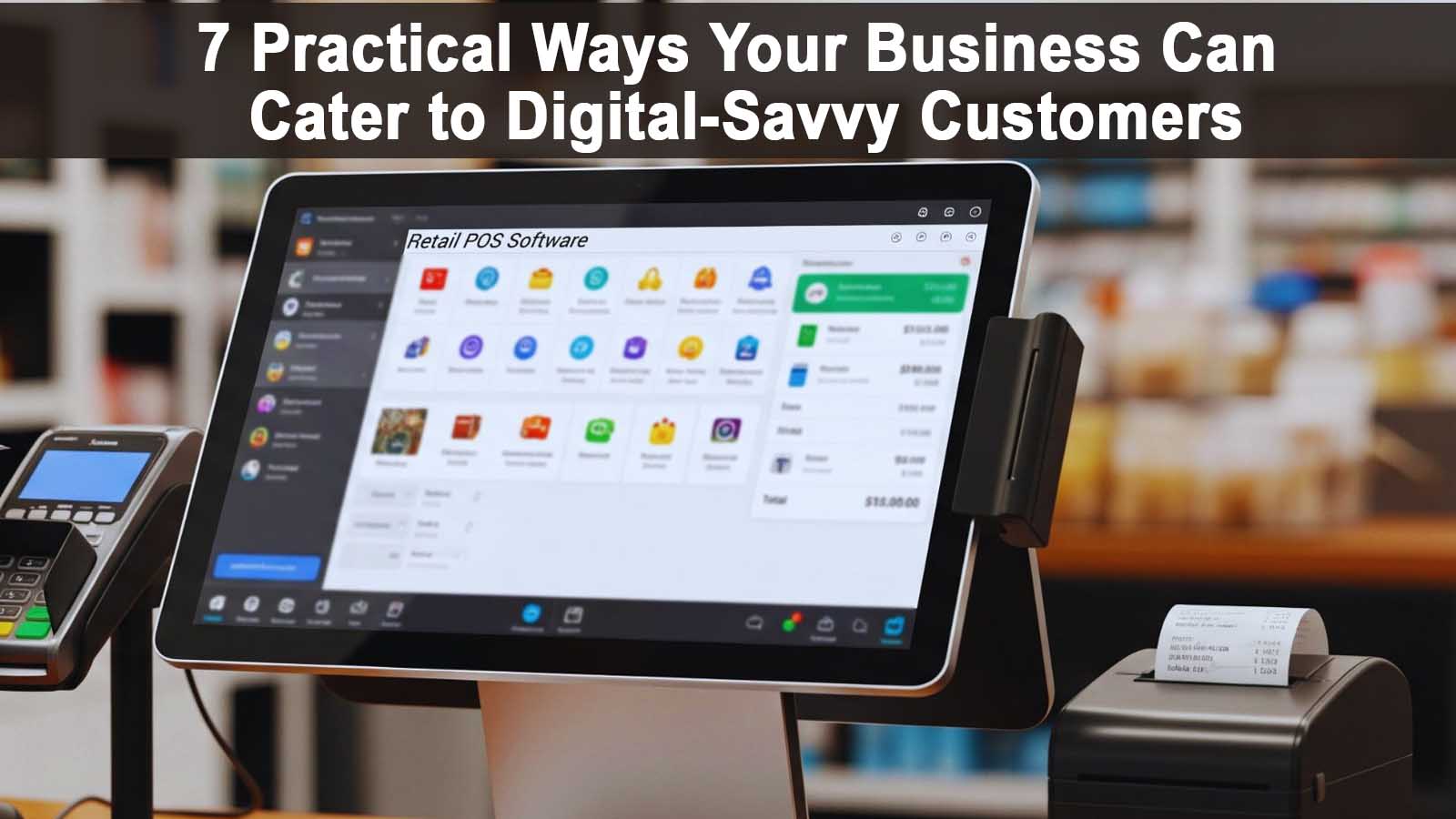
Long waits and complicated payment processes can discourage customers who expect transactions to be quick and intuitive. Streamlining the checkout area helps reduce friction and encourages repeat visits, especially when shoppers feel they can complete purchases without delays. You can start by implementing a modern POS system that accepts a wider range of payment methods, such as tap-to-pay cards and digital wallets, as well as QR-based options. This adds flexibility for customers who prefer using their phones or other contactless methods. Elements like clear pricing displays and an organized counter setup also contribute to a smoother experience that aligns with digital-era expectations.
Make Your Website Fast, Mobile-Friendly, and Easy to Navigate
Many customers check out a business online before stopping by in person, which makes your website one of your most influential digital touchpoints. A fast-loading site with a clean layout helps customers quickly find essentials such as business hours, location details, menus, or product information. Moreover, because so much browsing now happens on mobile devices, a responsive design ensures the experience remains consistent and readable across screen sizes. Add simple navigation and concise page structures to further reinforce your credibility and make visiting your store feel like a natural next step to online browsing.
Offer Seamless Online Ordering and Booking
Convenience often influences where customers choose to shop or schedule services, and digital-savvy users value being able to plan ahead. Many will appreciate the option to order items for pickup, reserve products, or book appointments online, as this reduces uncertainty and helps them manage their time more efficiently. Even basic tools such as plug-ins for scheduling or simple order forms can provide access without requiring substantial investment. These features also help your staff prepare for peak periods, leading to a smoother in-store experience for everyone.
Keep Your Google Business Profile Fully Updated
Customers often rely on quick searches when deciding where to go, especially if they are already nearby. An accurate and complete Google Business Profile helps your shop appear in local results and gives customers the confidence to visit without hesitation. Keep your business hours, photos, address, and contact details up to date to ensure that people can make decisions with reliable information. Posting regularly about promotions or service changes also help maintain visibility and encourage engagement from people exploring options in your area.
Enable Fast, Friendly, Omnichannel Communication
Questions about common concerns like product availability or wait times often arise before a customer commits to visiting. It pays to respond quickly through popular channels; think Messenger, WhatsApp, email, or a simple chat widget. When you do, you send the message that you take the needs of potential customers seriously. Maintain a warm, clear communication style to help customers feel comfortable reaching out again, and stay on top of message management so you can prevent inquiries from slipping through the cracks. Consistency across channels reinforces trust and keeps interactions smooth, regardless of where they begin.
Engage Your Community on Social Media
Active participation on social platforms gives customers a sense of who you are and what your business values. Consider sharing behind-the-scenes moments, product updates, or short tips related to your offerings; these practices often make your digital presence more relatable and encourage natural interactions. Responding to comments or messages promptly shows you’re attentive, while acknowledging customer posts or photos adds a personal touch that strengthens loyalty. If you keep your content meaningful and consistent, you can stay visible on customer feeds. Your constant presence, in turn, can be another thing that gently encourages them to visit your store.
Encourage Reviews and Make Testimonials Visible
Customer opinions play a significant role in shaping expectations, especially as many people nowadays rely on online research before choosing a place to visit. Encourage satisfied customers to leave reviews, as this helps build credibility and potentially influence those deciding between several options. Also, display testimonials on your website or social pages to give potential visitors a quick look at others’ experiences. When your reviews are easy to find, even customers who are new to your business may find it easier to trust you and hesitate less about trying what you have to offer.
A thoughtful approach to digital engagement can help businesses stay relevant as customer expectations continue to evolve. Don’t hesitate to embrace accessible tools and simple operational shifts, as doing so may just position your store to serve customers more effectively across both online and in-person touchpoints. Stay adaptable as times continue to change and you’ll be able to keep your business competitive for years to come.