Travel Is Easier When Your Phone Just Works
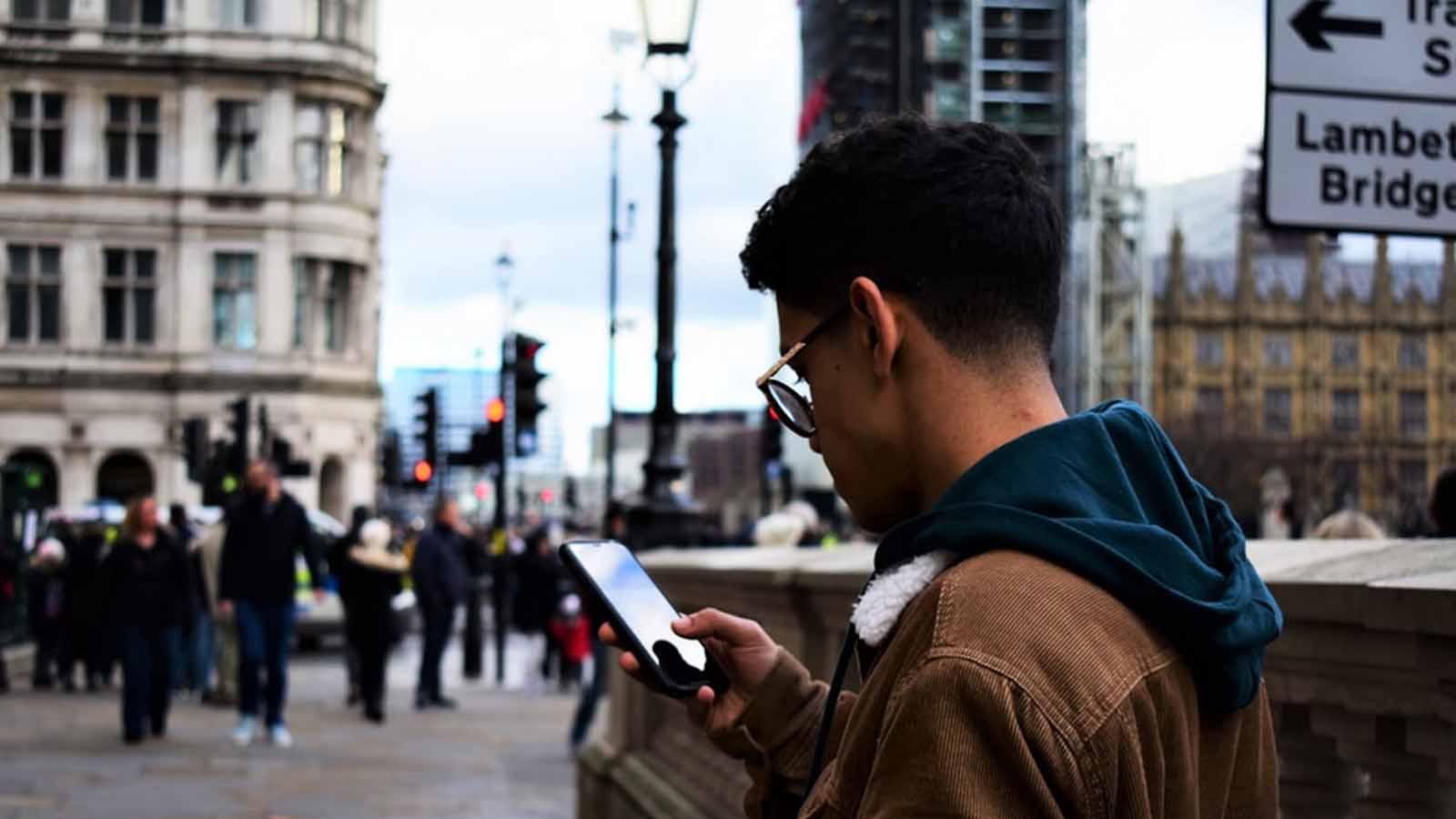
Travel has changed in ways you don’t always notice right away. It’s not just about flights getting cheaper or destinations becoming more accessible. It’s the small things – the way you check directions without thinking, confirm a booking in seconds, or look up a place to eat while already on the street. Your phone ends up doing a lot of quiet work in the background.
The problem is, that convenience doesn’t always carry over when you leave your home country. Roaming works, but it comes with that familiar hesitation – is this going to cost more than I expect? Local SIM cards are easy enough to find, but after a long flight, even small tasks feel bigger than they are. You have to stop, figure it out, maybe swap your main number for a while. It’s not difficult, just slightly inconvenient at the wrong moment.
What tends to catch people off guard isn’t the lack of internet, it’s everything tied to your phone number. You try to log into something, and suddenly there’s a verification step. A message gets sent, and you realize your usual number isn’t working the way it should. In situations like that, having access to something like a virtual phone number USA by eSIM Plus can save time, especially if you still need to receive messages from services back home without relying entirely on roaming.
Once you notice it, you start seeing how often these little interruptions happen. Booking confirmations, login alerts, even delivery updates if you’re staying somewhere longer – all of it assumes you can receive messages without any issues. Most of the time, it works smoothly. But when it doesn’t, it slows you down in ways that feel unnecessary.
This is where eSIM becomes less of a “tech feature” and more of a practical fix. Instead of dealing with physical SIM cards, you set things up digitally and move on. No searching for a shop, no swapping anything out, no worrying about losing your original SIM somewhere in your bag. It’s one of those things that feels minor until you realize you didn’t have to think about it again for the rest of your trip.
The benefit becomes clearer the more you move around. If your trip includes more than one city, or even more than one country, you don’t have to repeat the same process every time. You switch plans, stay connected, and keep going. It removes that small layer of friction that tends to build up over time when you’re constantly adjusting to new places.
Virtual numbers solve a different kind of problem, but one that shows up just as often. Even now, many services still rely on SMS verification. And while apps and platforms are becoming more flexible, they don’t always work seamlessly with foreign numbers. Having a number tied to your home country can make those interactions feel normal instead of slightly awkward.

A common example is banking. You’re traveling, you open your app, and it asks for a code sent to your phone. Normally, that takes seconds. Abroad, it can turn into a small issue if your number isn’t active or accessible. It’s not something you think about before the trip, but once it happens, you remember it.
These kinds of situations aren’t limited to big cities or complicated trips. Even in more relaxed destinations, staying connected still matters more than people expect. If you’re heading somewhere like Dumaguete, you’ll probably rely on your phone for directions, communication with your accommodation, or just figuring out what’s nearby. You can take a look at some local highlights here. It’s not about being online all the time, it’s about having access when you need it.
On a broader level, this shift isn’t going away. Mobile connectivity has become part of how people move, communicate, and solve problems on the go. According to data from the GSMA, global mobile usage continues to grow, shaping how people stay connected across borders: https://www.gsma.com/mobileeconomy/ . For travelers, that simply means the expectation has changed. Being offline is no longer the default, it’s more of a choice.
That doesn’t mean travel has become less spontaneous. You can still wander around, take your time, and disconnect when you want to. But having a reliable connection in the background makes everything else easier. It removes the small obstacles that don’t really add value to the experience.
There’s also something to be said for peace of mind. Knowing that you can access important accounts, receive messages, or sort something out quickly if needed, it makes a difference. You don’t notice it constantly, but it’s there.
If you’re planning ahead, it’s worth checking whether your phone supports eSIM. Most newer devices do, but it’s still something to confirm before you leave. Setting things up in advance takes a few minutes and saves you from dealing with it when you’d rather be doing something else.
It also helps to think about what you might actually need access to while traveling. Banking, email, bookings – anything that involves verification is worth considering. You don’t need to overplan, just cover the basics so you’re not caught off guard later.
At the end of the day, this isn’t really about technology. It’s about making travel smoother in small, practical ways. The goal isn’t to rely on your phone for everything, but to avoid situations where something simple becomes unnecessarily complicated.
Travel will always come with a bit of unpredictability, that’s part of why people enjoy it. But not every inconvenience adds to the experience. Some just get in the way. If a few simple tools can take care of those in the background, it leaves more room to focus on the parts of travel that actually matter.