Top 7 Features Modern Betting Platforms Offer Beyond Odds
Not long ago, most betting interfaces looked almost identical. A list of matches appeared on the screen, next to columns of odds and a few basic market options. For many users, that was the entire experience — scanning numbers, choosing a line, and placing a wager. Today the structure of a betting platform feels noticeably different.
Modern interfaces combine live updates, detailed statistics, visual tools, and interactive market panels that react to what is happening during the game. While exploring how these platforms work, many users might occasionally go to 1xBet official website or similar services to see how these features appear inside a real interface rather than in theory. As these tools have expanded, betting platforms have gradually turned into broader digital environments where odds are only one layer of a much larger system.
How betting platforms became interactive digital environments
Sports viewing habits have changed. People now follow matches while checking statistics, reading live updates, and watching the game unfold at the same time. Because of that shift, modern interfaces had to evolve — large streams of live information move through the interface constantly, and the design focuses on showing those signals in ways that help participants understand the situation on the field without delay. Odds remain present. Yet around them grows a wider structure: data layers, visual indicators, and interactive tools that turn the betting interface into a continuously updating digital environment.
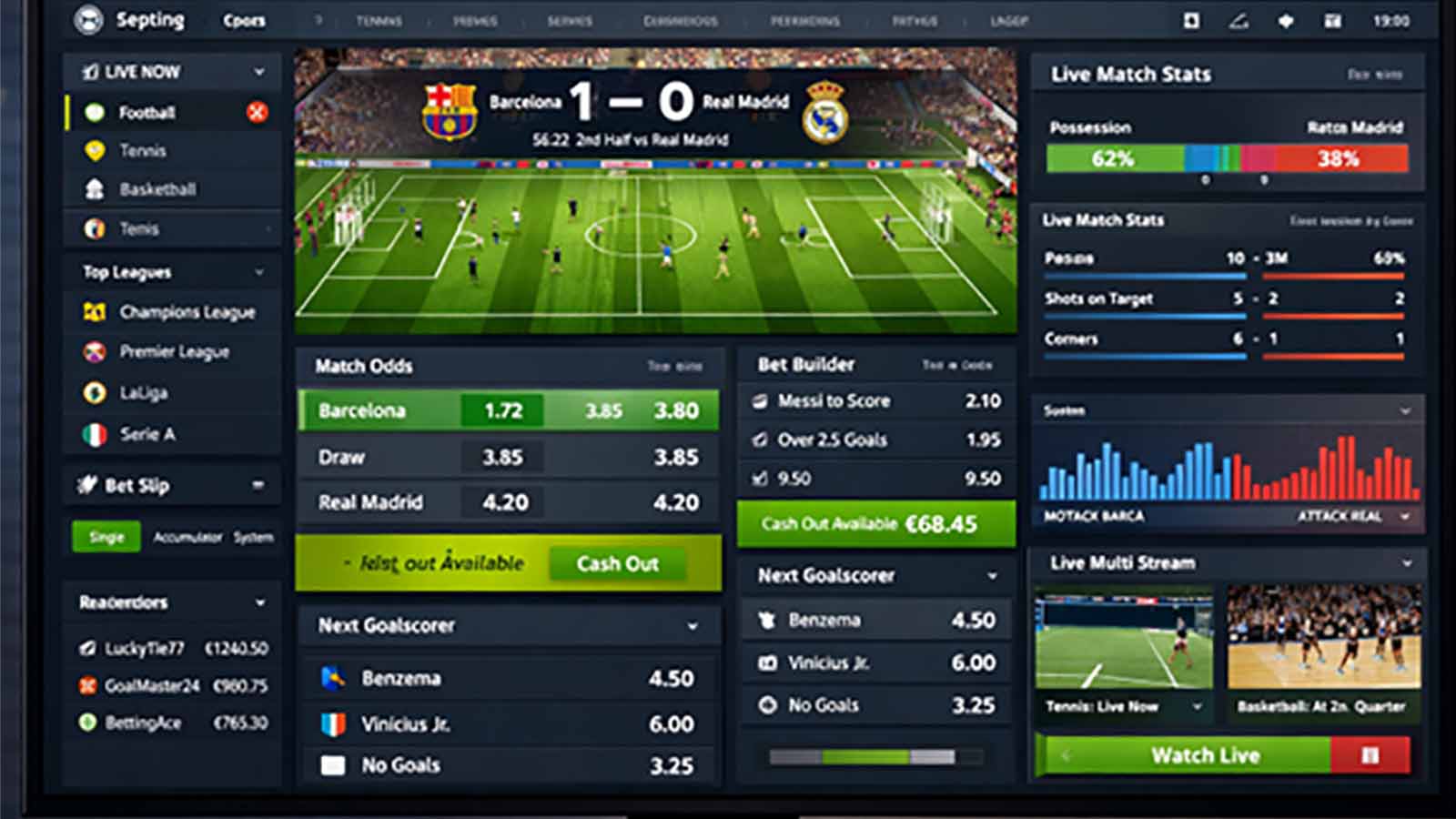
Top 7 Features That Define Modern Betting Platforms
Modern betting interfaces no longer revolve around odds alone. Inside a single screen, several layers now operate side by side — live information, visual signals, interaction tools, and match context. That combination changes how people follow events. Instead of watching numbers, participants move through a digital environment that updates while the game unfolds.
1. Live betting interfaces
A live interface rarely stays still. Odds move. Markets appear or close. Small changes in the match trigger updates across the screen within seconds. What the viewer sees is not a static line but an active panel responding to the rhythm of play.
2. Real-time statistics dashboards
Odds alone rarely explain the whole situation. Real-time statistics panels add context through details such as:
- possession share;
- shot volume;
- tempo shifts;
- recurring event patterns.
Viewed together, these indicators make the flow of the match easier to interpret and clarify why numbers on the screen may begin to change.
3. Cash-out systems
Cash-out tools introduce flexibility during live play. Instead of waiting for the final whistle, participants can close a position earlier if the situation changes on the field. The interface calculates a revised value instantly, turning the platform into a space where decisions evolve together with the match.
4. Multi-market bet builders
Bet builders allow several selections to be combined inside one wager. Outcomes, totals, and player-related events can be arranged together to form a custom structure. This approach shifts the interface from a simple list of markets toward a flexible environment where participants shape their own combinations.
5. Streaming integrations
Some platforms integrate live streams directly into the interface. The game unfolds on screen while markets and statistics update nearby. This arrangement allows participants to watch the event and monitor betting information at the same time, keeping the entire interaction within a single digital space.
6. Data visualization tools
Raw statistics can be difficult to scan quickly. Visual elements simplify that task. Momentum graphics can reveal pressure building in one direction, while trend indicators highlight shifts that plain tables may hide.
Common examples include:
- momentum charts;
- trend indicators;
- comparative match graphics.
That visual layer helps readers process match information faster and notice patterns that might otherwise remain buried in numbers.
7. Mobile betting environments
Another defining feature of modern betting platforms is mobile-first design. Mobile access reshaped how platforms are built. Screens are smaller, attention is shorter, yet updates still need to appear instantly. For that reason, mobile-first layouts rely on compact navigation, fast loading panels, and simplified interaction so live monitoring remains possible even away from a desktop screen.
Why these features changed the online betting experience
Taken together, these tools reshape how people engage with sports data during a match. Information now appears faster and with far more context than a simple price on the screen once offered. Instead of reacting to a single number, participants interpret multiple signals at once — statistics, visual cues, and interface responses to live events. That shift makes interaction more flexible and informed. What once looked like a table of odds now operates as a data-driven environment where the flow of information helps explain what is happening in real time.
Why responsible gaming still matters
Technology around betting keeps evolving. The principle itself does not change. Wagering should remain entertainment rather than a dependable way to make money, since operators maintain a statistical edge across thousands of outcomes.
The Responsible Gambling Council often frames responsible play through a few basic habits:
- Set financial limits before placing wagers.
- Take breaks from play.
- Keep clear personal boundaries.
Simple routines like these help keep gambling activity balanced over time.
Understanding the platform beyond the odds
Modern betting platforms function as layered digital environments rather than simple lists of odds. Data streams, live interfaces, and interactive tools now operate together inside the same structure. Odds remain important, but they represent only one element within a broader system designed to interpret events, display context, and support informed interaction during live sports activity.